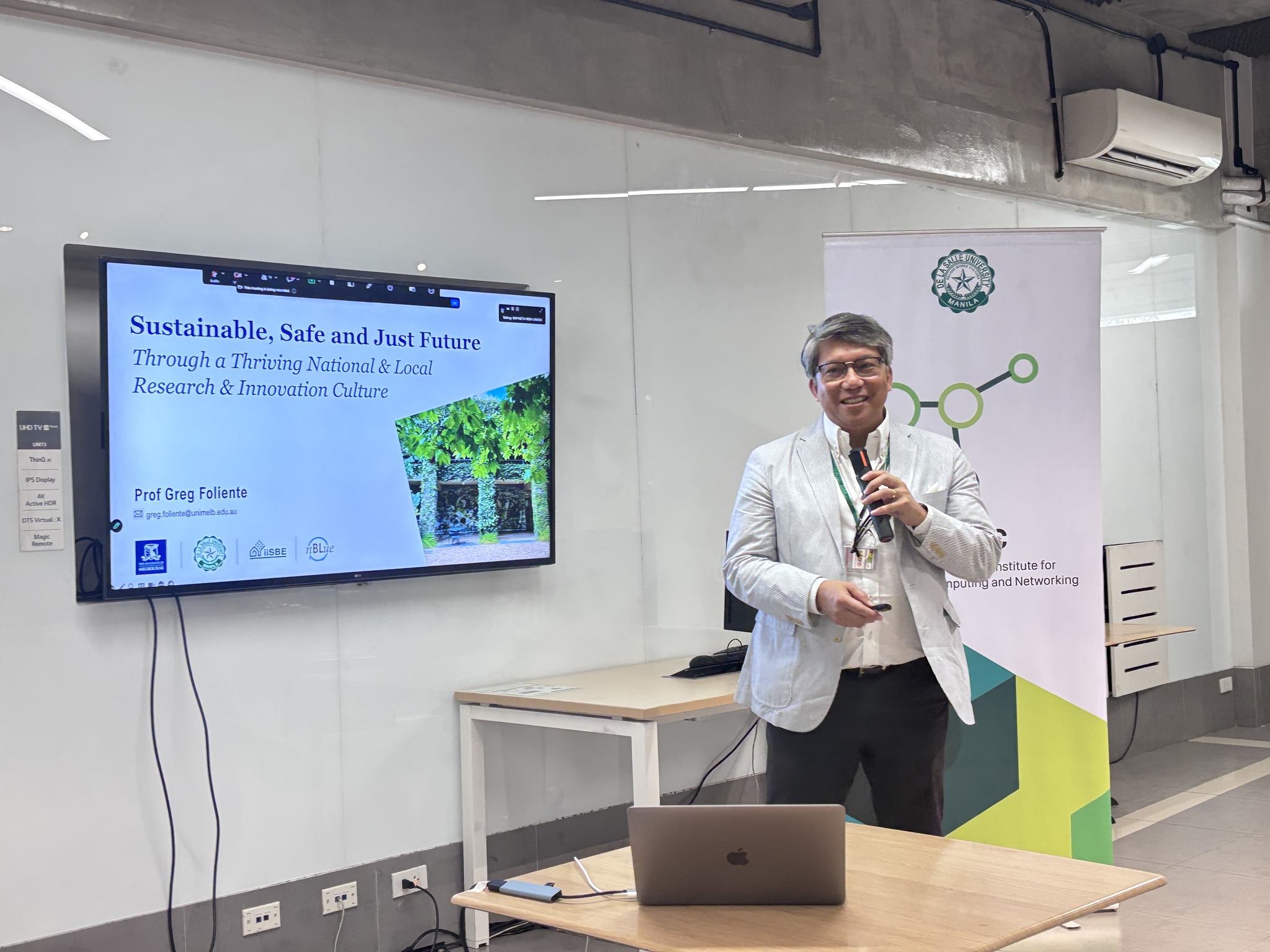
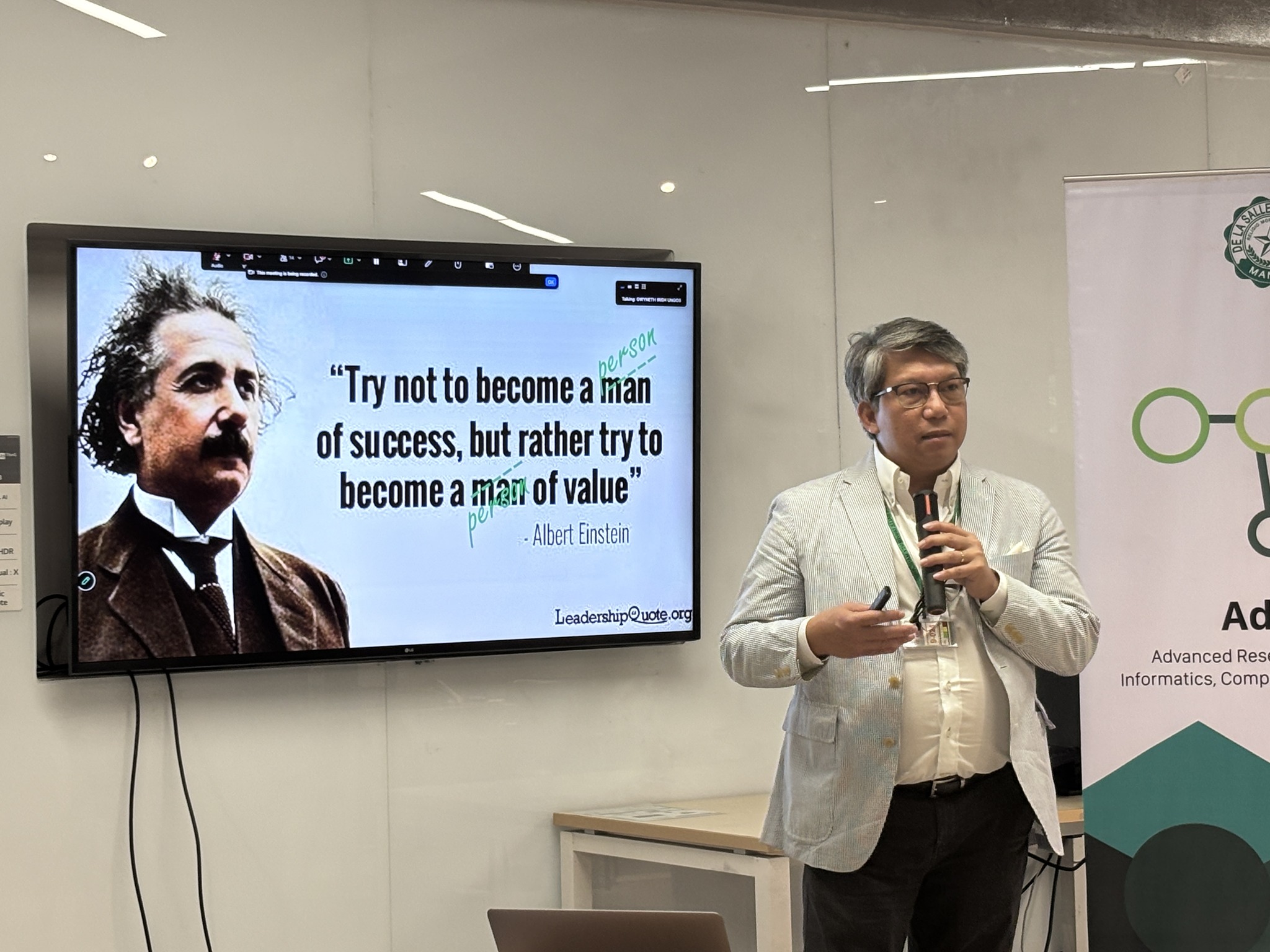
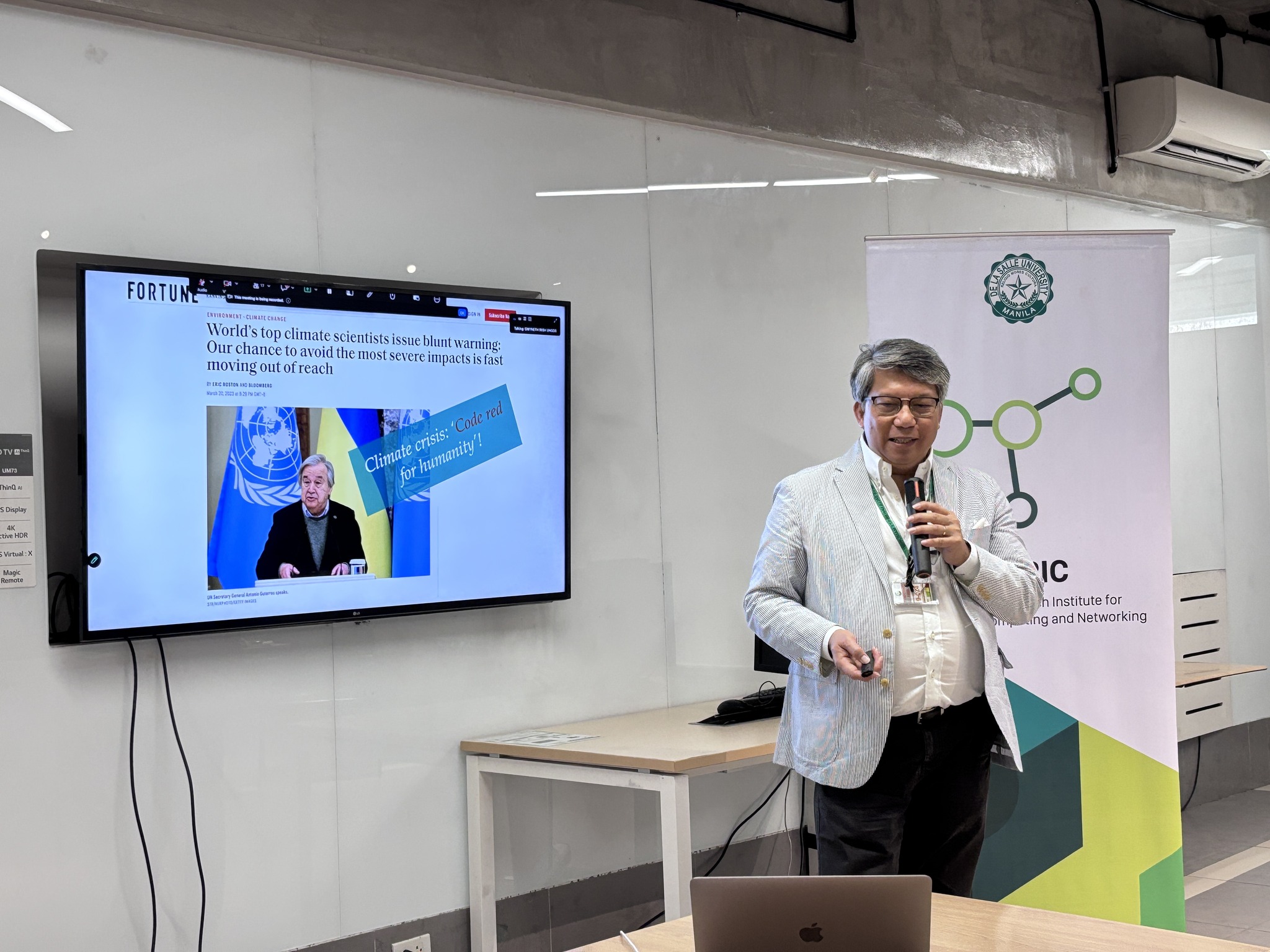
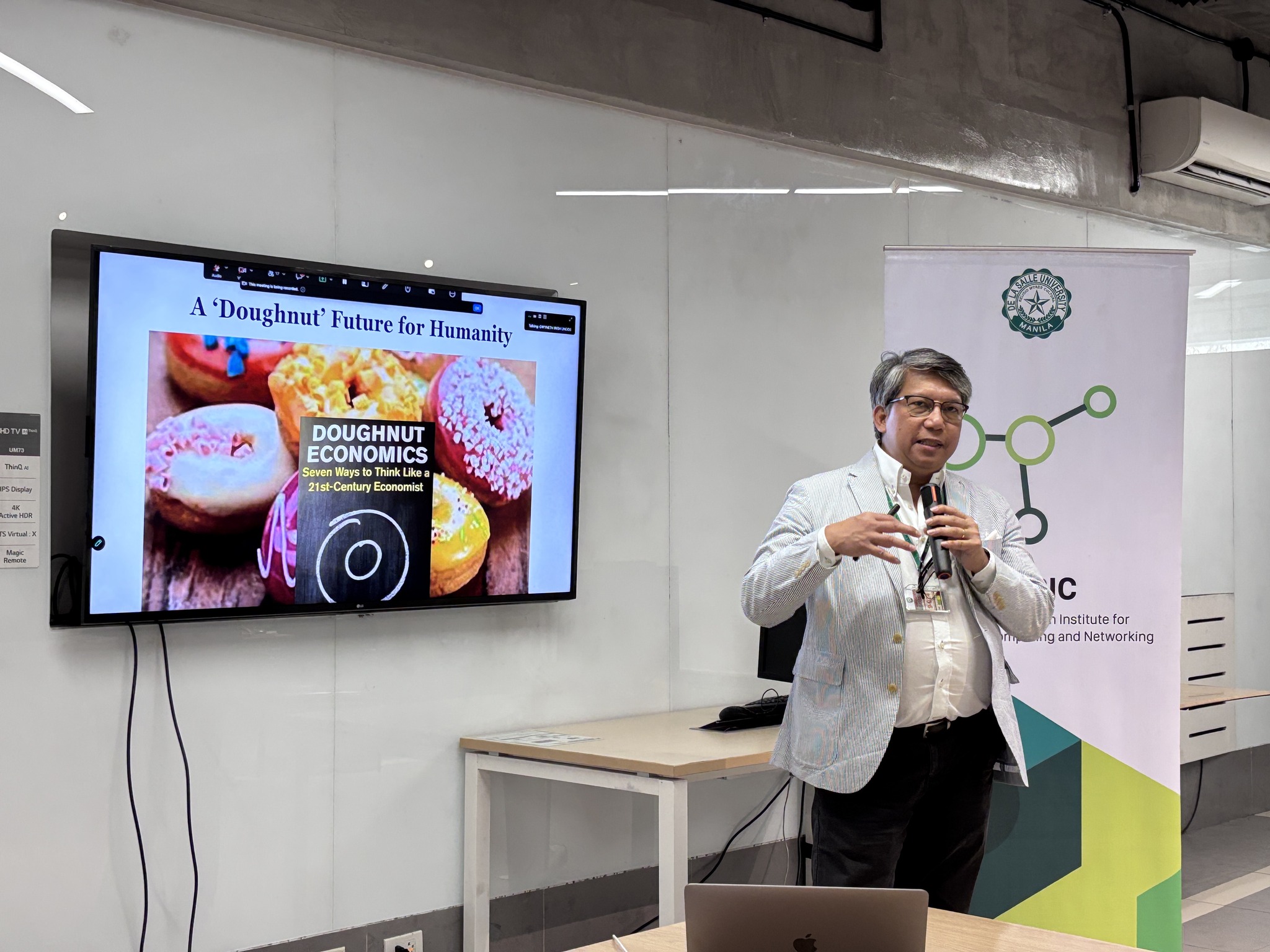
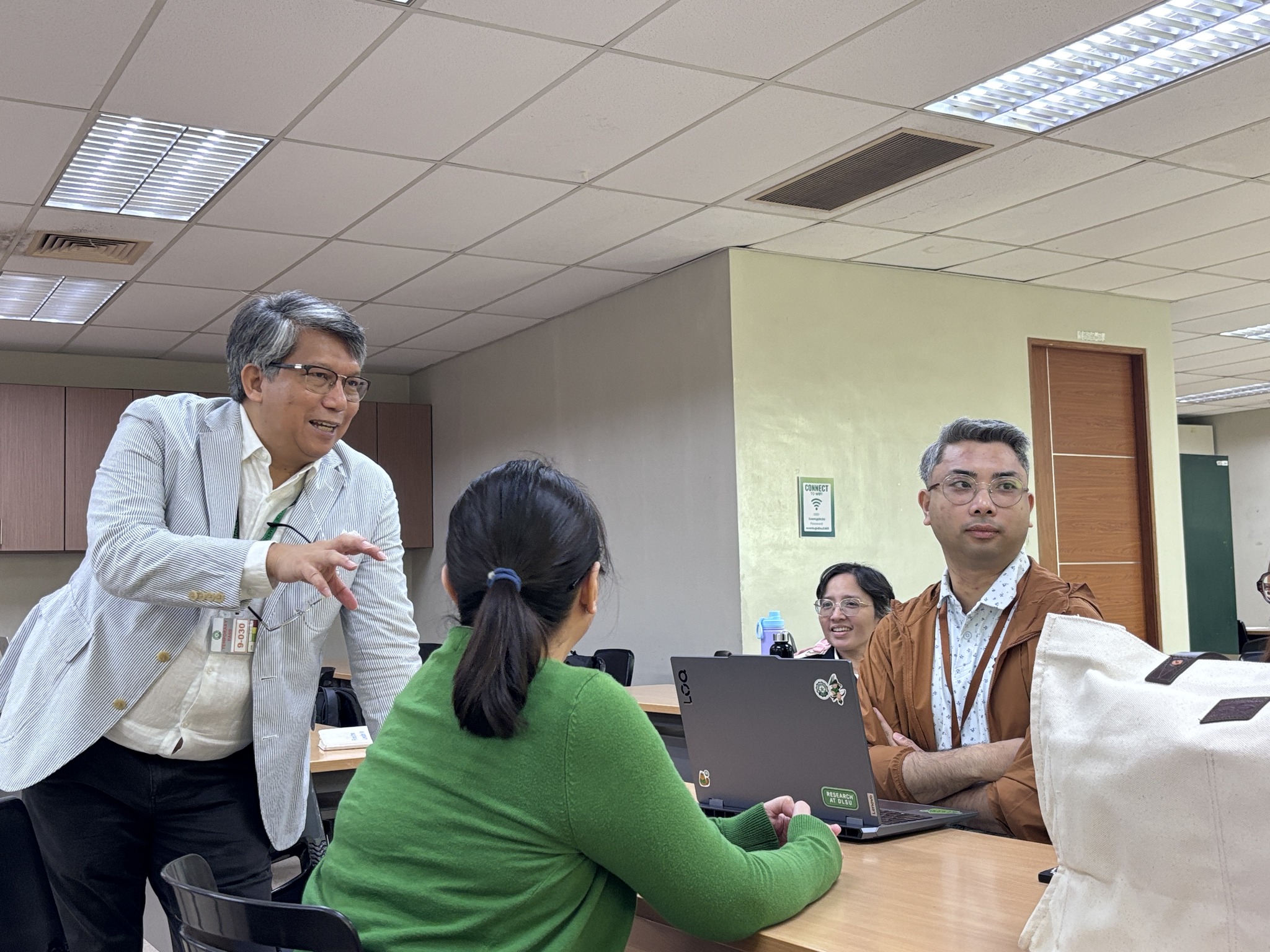
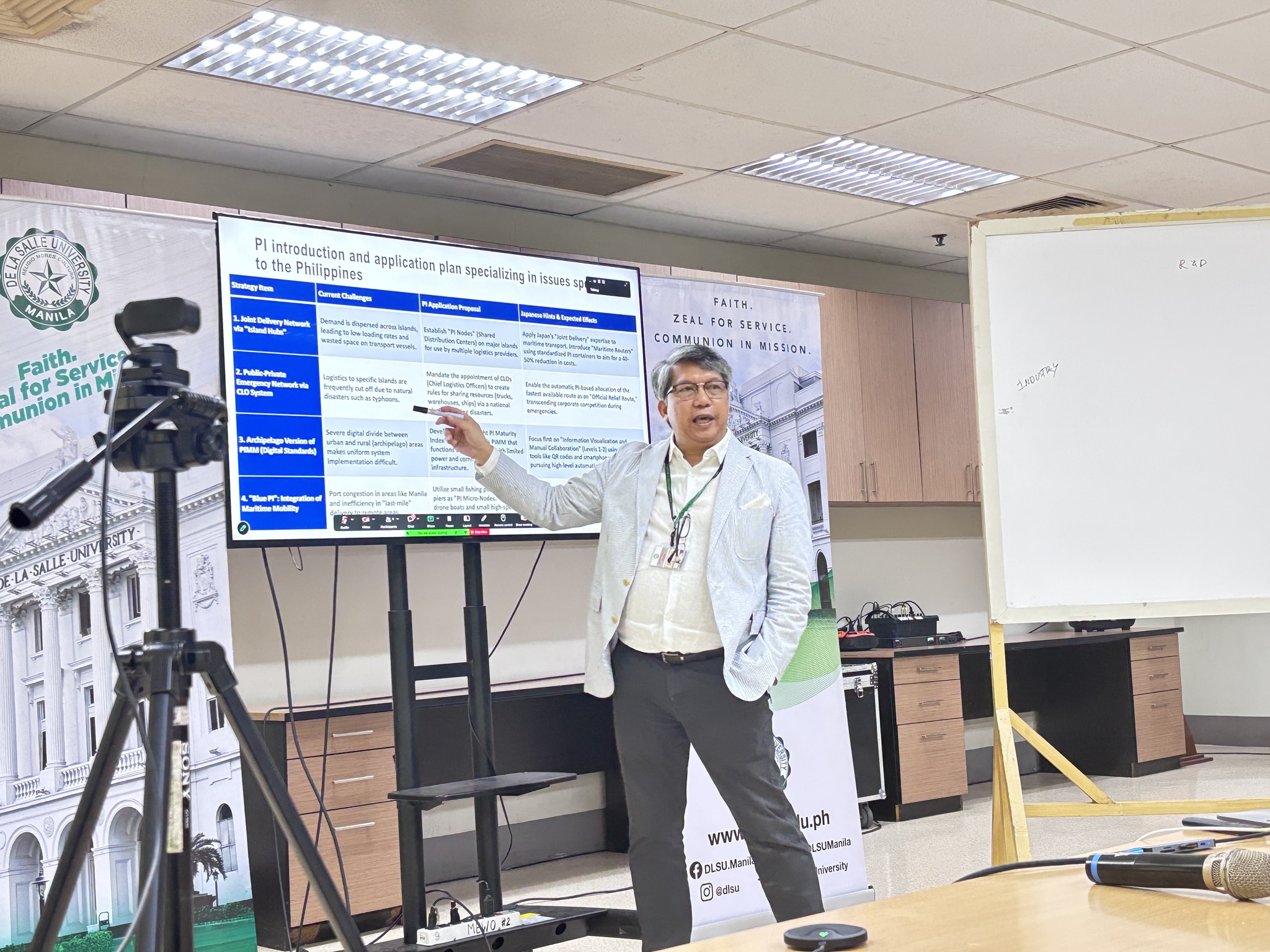
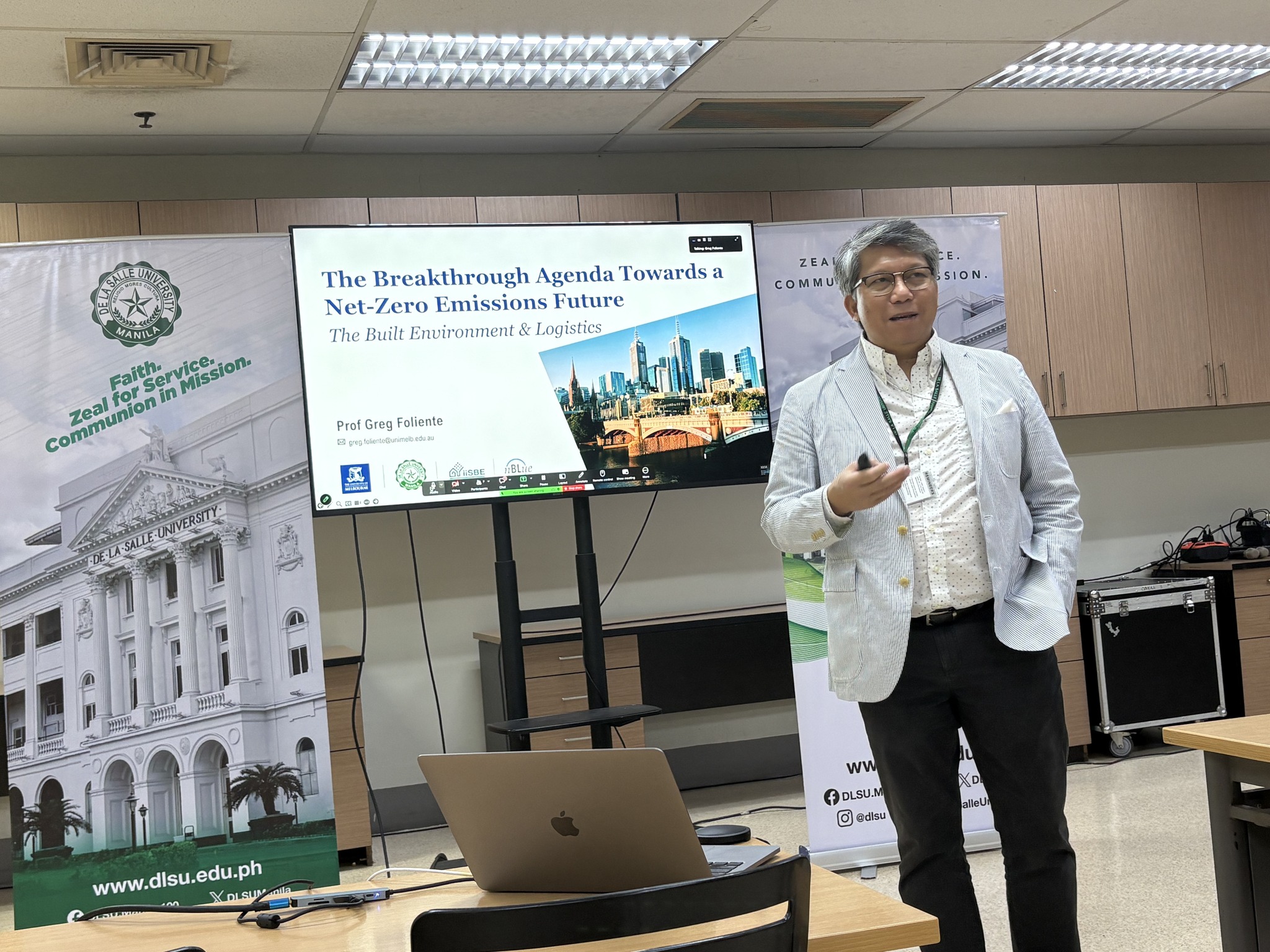
Advanced Research Institute for Informatics, Computing and Networking (AdRIC) recently welcomed back our Golden Jubilee Honorary Professor, Greg Foliente from the University of Melbourne, for his highly anticipated 2026 visit to the Philippines. Prior to his engagements at DLSU, Prof. Foliente served as a plenary speaker at the PINS 2026 Symposium held at the University of the Philippines Diliman from February 19 to 20, a major collaborative event focusing on the future of industrial engineering and operations research. Following this prominent symposium, he returned to DLSU’s Br. Andrew Gonzalez Hall from March 2 to 4 to deliver a comprehensive four-part masterclass series addressing the critical intersections of climate action, sustainable logistics, and impactful research innovation.
The series commenced with an in-depth examination of the global climate crisis in “The Breakthrough Agenda Towards Net-Zero Emissions Economy.” Prof. Foliente addressed the persistent rise in global temperatures and greenhouse gas emissions despite the 2015 Paris Agreement. He introduced the framework of Earth System Boundaries to establish “safe and just” corridors that ensure both ecological stability and global social equity. Emphasizing that the built environment and logistics sectors account for over 60% of global emissions, he advocated for whole-life carbon accounting, a method that measures not only operational energy use but also the carbon embedded in the manufacturing and transport of building materials. Furthermore, he highlighted that for developing nations like the Philippines, utilizing transparent, rough data approximations is a crucial first step toward building credible decarbonization roadmaps rather than waiting for perfect data.
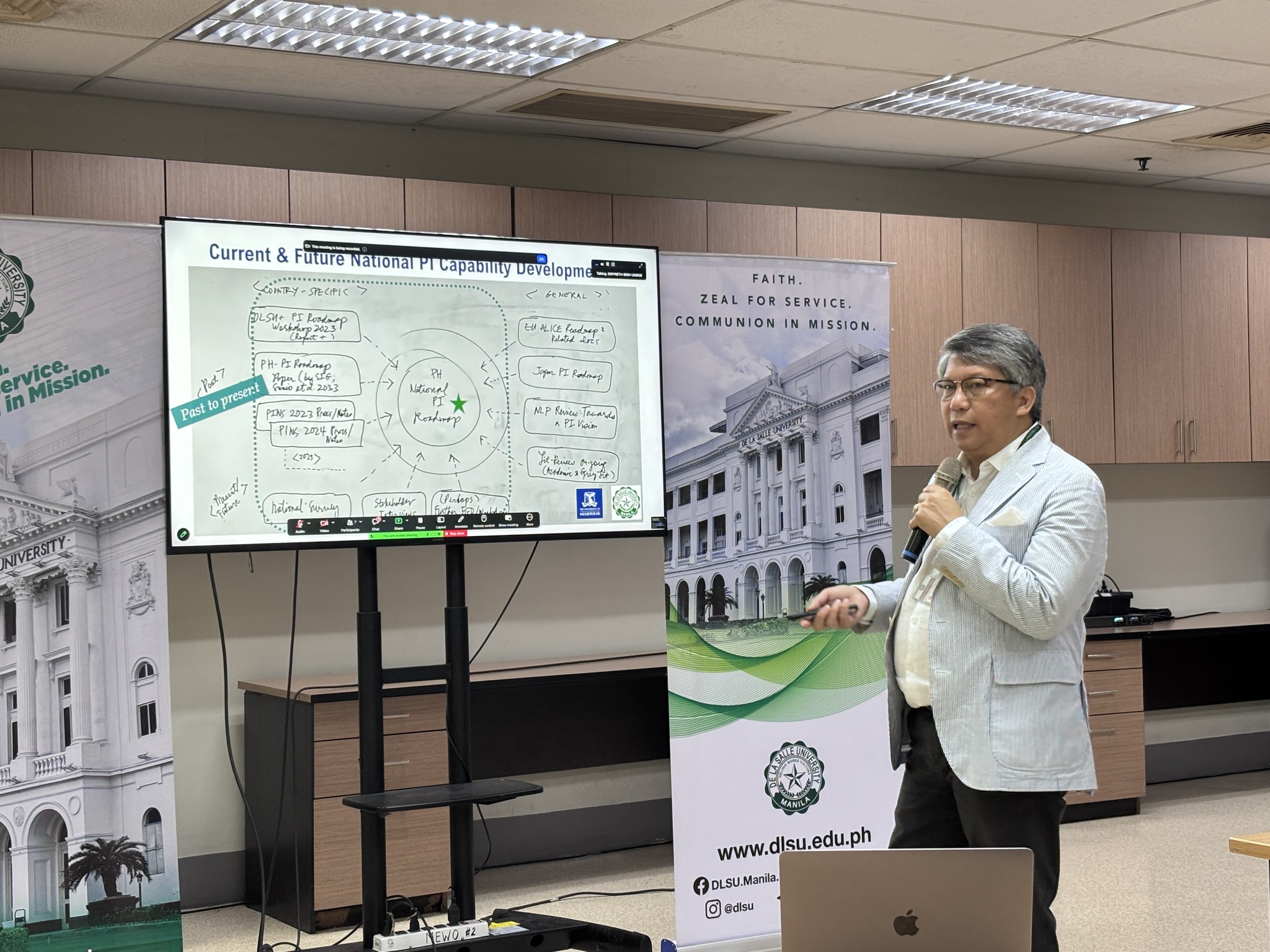
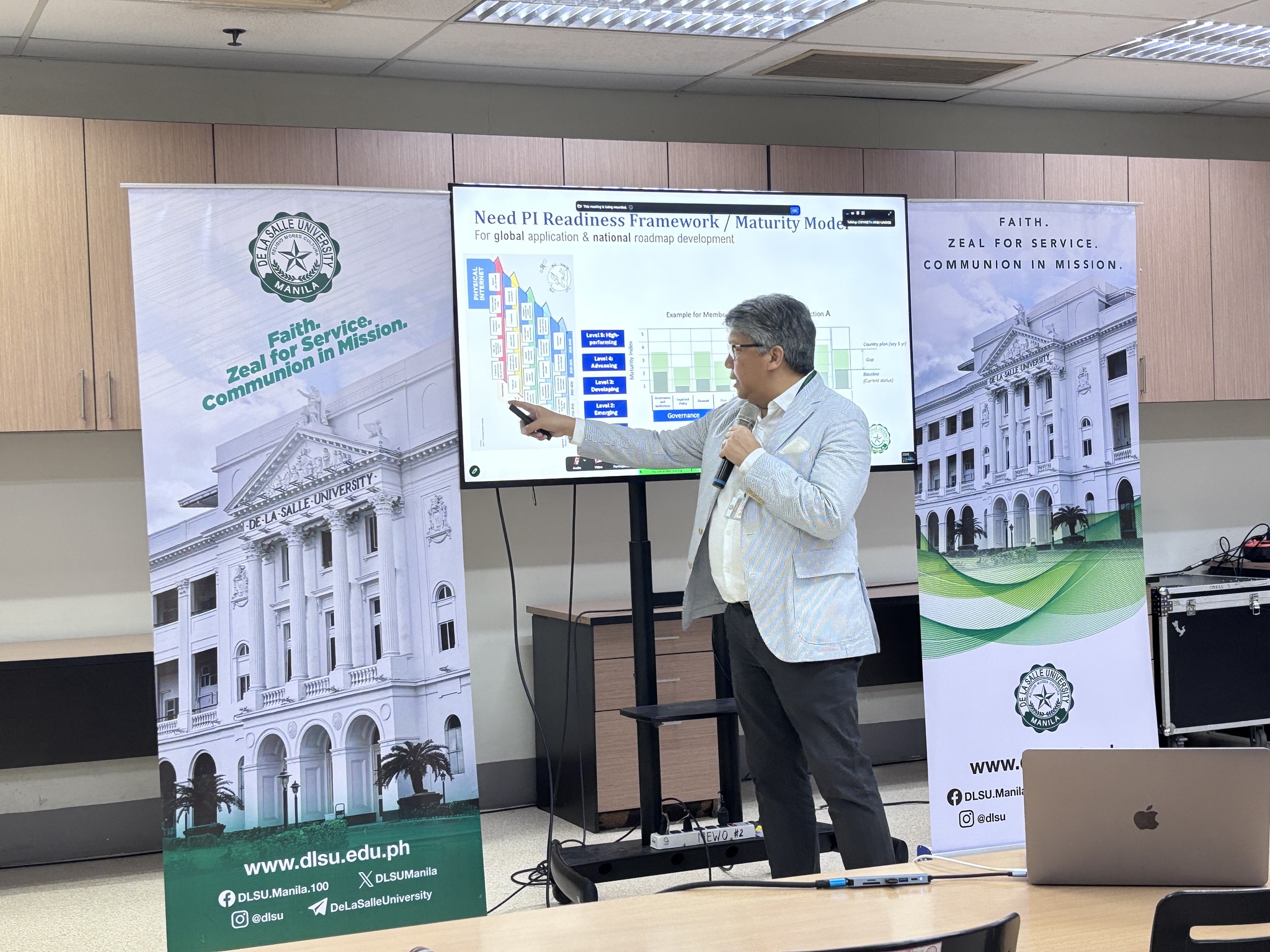
Transitioning from broad environmental goals to the mechanisms of global trade, the second lecture explored the revolutionary concept of the Physical Internet. This visionary framework aims to transform global supply chains into a hyper-connected, eco-friendly ecosystem by 2040, mirroring the seamless efficiency of the digital internet. Recognizing that a global system relies on local readiness, Prof. Foliente presented a “Glocal” Maturity and Capability Development Framework. This roadmap, currently being developed through a Philippines-Australia collaboration, helps nations assess their institutional and technological preparedness. He stressed the importance of addressing unique local challenges such as maritime logistics across the Philippine archipelago and utilizing global technological innovations to formulate highly customized, effective local solutions.
The third session shifted focus to the mechanics of academic impact, offering a practical masterclass on scientific communication and journal paper writing. Prof. Foliente underscored that rigorous research loses its transformative potential if it is not communicated clearly. A central strategy he discussed was the development of a Concept Map, which helps researchers establish a clear statement of contribution before drafting begins. Additionally, he addressed the ethical integration of artificial intelligence tools in academic research. While acknowledging AI’s utility in tasks like gathering literature and rephrasing, he firmly maintained that it must never replace human creativity or critical thinking. He urged researchers to maintain strict oversight, verify their facts, and transparently declare when AI tools are utilized in their work.
In his concluding presentation, Prof. Foliente synthesized the overarching themes of the series by outlining the foundational elements of a thriving national and local research culture. He urged the academic community to align their initiatives with the United Nations Sustainable Development Goals and introduced Pasteur’s Quadrant—a framework advocating for research that simultaneously seeks fundamental understanding and practical, real-world application. By fostering high-performing teams with clear objectives, strong leadership, and creative processes, researchers can ensure their work transcends academic journals and translates into tangible solutions that respect local environmental, socio-cultural, and regulatory contexts. Through his plenary address at PINS 2026 and his rigorous lecture series at DLSU, Prof. Foliente has provided the academic community with an actionable blueprint for building a resilient, equitable, and sustainable future.